Editorial integrity note: lived experience should never be fabricated. The guide below uses verified scholarship, LGBTQ+ archives and community-informed analysis. The final “About the Author” section includes placeholders to be completed by a contributor with a genuine personal connection to the subject.
Table of Contents
A gay daddy is not simply an older man, and “daddy” is not a clinical category determined by a birthday. Within gay and bisexual men’s cultures, the word can describe a mature identity associated with confidence, steadiness, experience, care, leadership or a protective presence. It may be used by someone describing himself, by a partner as an affectionate title or by a community recognising a particular style of masculinity.
Sometimes the identity exists within a relationship between adults of different ages. Sometimes it does not. A man can be considered a daddy by people close to his own age, and many older gay men have no connection to the label whatsoever.
What makes the term culturally significant is the way it gives positive meaning to maturity. In social environments that often treat youth as a form of status, “daddy” can transform grey hair, age, emotional experience and visible signs of a life lived into sources of attraction, authority and belonging.
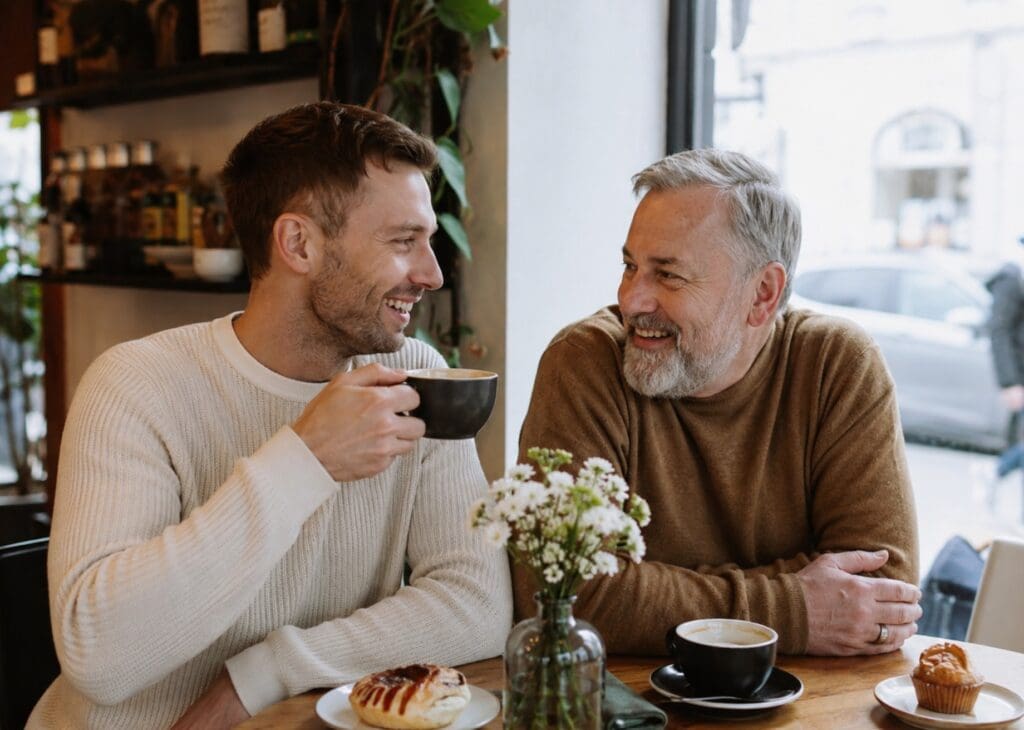
What Does “Gay Daddy” Mean?
In contemporary gay culture, a daddy is generally an adult man perceived as mature, self-assured or experienced. He may be older than his partner or the people who use the term for him, but there is no universally accepted minimum age.
The label may suggest several overlapping qualities:
- emotional steadiness;
- confidence without unnecessary performance;
- a nurturing or protective nature;
- practical or cultural experience;
- a developed sense of personal style;
- comfort with ageing;
- an ability to guide without controlling.
These qualities are possibilities, not requirements. Some daddies are quiet and gentle. Others are socially commanding. Some are bearded and rugged; others are elegant, clean-shaven or fashion-conscious. Some identify strongly with traditional masculinity, while others are expressive, playful or feminine.
Sociologist Tony Silva’s 2023 book Daddies of a Different Kind, based on interviews with self-described daddies and younger adult men, found that participants commonly connected daddyness with age and stability, leadership-oriented confidence and mentorship. Crucially, the study focused exclusively on relationships between consenting adults and challenged the assumption that such relationships are necessarily transactional.
A useful definition is therefore:
A gay daddy is an adult man who identifies with, or is recognised through, a mature queer role shaped by confidence, care, experience and sometimes intergenerational connection.
The term should be chosen, welcomed or mutually understood. It should not be imposed on someone simply because he looks older.
Glossaire Culturel LGBTQ+
Des termes pour mieux comprendre les identités et les dynamiques relationnelles.
Gay Daddy
Un homme gay, souvent plus âgé, qui adopte un rôle protecteur, mentor ou affectueux envers des personnes plus jeunes dans la communauté LGBTQ+.
Ce terme peut évoquer une dynamique de soutien ou de guidance, sans impliquer de relation romantique ou sexuelle.
⚠️ Attention : Le sens dépend du contexte. Toujours clarifier les attentes.
Daddy Bear
Un homme bear (généralement grand, poilu, et de corporulence robuste) qui incarne une présence rassurante et protectrice, souvent associée à la sous-culture bear.
Le terme Daddy peut aussi renvoir à une dynamique de rôle dans les relations, où la personne adopte un rôle de soutien émotionnel ou pratique.
⚠️ À distinguer de “Leather Daddy” ou “Sugar Daddy”.
Cub
Un jeune homme, souvent plus mince et moins poilu, qui s’identifie ou est perçu comme un jeune bear ou un admirateur des bears.
Dans la communauté bear, un Cub peut être en relation avec un Daddy Bear ou un Bear plus âgé, mais ce n’est pas une règle.
⚠️ Le terme est parfois utilisé de manière affectueuse, sans connotation sexuelle.
Mentor
Une personne expérimentée qui accompagne une autre (souvent plus jeune ou moins expérimentée) dans sa découverte de soi, sa vie sociale, ou sa carrière.
Dans la communauté LGBTQ+, les mentors jouent un rôle clé pour aider les personnes à naviguer les défis liés à leur identité ou leur coming out.
✨ Cette relation est généralement platonique et basée sur l’échange de connaissances.
Chosen Family (Famille choisie)
Un groupe de personnes non liées par le sang mais qui se considèrent comme une famille, souvent en raison de liens émotionnels profonds, de soutien mutuel, et d’une appartenance commune.
Ce concept est particulièrement important dans la communauté LGBTQ+, où les individus peuvent être rejetés par leur famille biologique.
💖 Ce terme reflète l’idée que la famille n’est pas seulement une question de biologie, mais aussi de liens affectifs.
Leather Daddy
Un homme, souvent associé à la sous-culture leather/BDSM, qui adopte un rôle dominant, protecteur, ou mentor dans des dynamiques de pouvoir consenties et structurées.
Le terme Leather renvoie à un style vestimentaire (cuir, accessoires) et à une culture spécifique au sein de la communauté LGBTQ+.
⚠️ Ce terme est souvent utilisé dans un contexte sexuel ou fétichiste, mais pas toujours.
Sugar Daddy
Un homme, généralement plus âgé et financièrement stable, qui offre un soutien matériel (argent, cadeaux, logement) à un partenaire plus jeune en échange de compagnie, affection, ou services.
Les relations de type sugar sont basées sur des accords mutuels et transparents entre les parties.
⚠️ Il est important de distinguer cela d’une exploitation : les relations sugar doivent être consenties, équilibrées et respectueuses.
Age-Gap Relationship
Une relation entre deux personnes ayant une différence d’âge significative (généralement 10 ans ou plus).
Ces relations peuvent être romantiques, platoniques, ou sexuelles, et sont basées sur le consentement et le respect mutuel.
⚠️ Il est crucial de s’assurer que la relation est équilibrée et que le consentement est libre et éclairé.
Toujours écouter et respecter la manière dont chaque individu définit son identité.
More Than an Age: Identity, Energy and Social Role
Age matters to the history of the daddy identity, but age alone does not explain it.
Two men may be the same age and occupy very different social roles. One may enjoy offering guidance, hosting gatherings and helping friends feel secure. The other may be more spontaneous, private or comfortable receiving support. Neither role is superior, and neither determines anyone’s worth.
This is why people sometimes speak of “daddy energy.” The expression usually refers to a combination of composure, warmth and authority rather than a specific body type. At its healthiest, this authority does not demand obedience. It creates reassurance.
A caring daddy presence might appear in ordinary moments:
- checking that a newcomer gets home safely;
- introducing a younger person to friends rather than leaving him isolated;
- explaining community history without speaking down to him;
- offering career or relationship advice when asked;
- helping someone navigate an unfamiliar LGBTQ+ space;
- remaining calm during a difficult conversation;
- sharing resources without expecting control in return.
These actions resemble mentorship, but not every daddy is a formal mentor, and not every mentor is a daddy. The cultural identity is more flexible than either term suggests.
A Cultural Identity Without a Single Origin Story
Unlike an organisation with a founding document, the gay daddy identity does not have one universally recognised date of origin. The word developed through multiple forms of American slang and later acquired distinct meanings in LGBTQ+ communities.
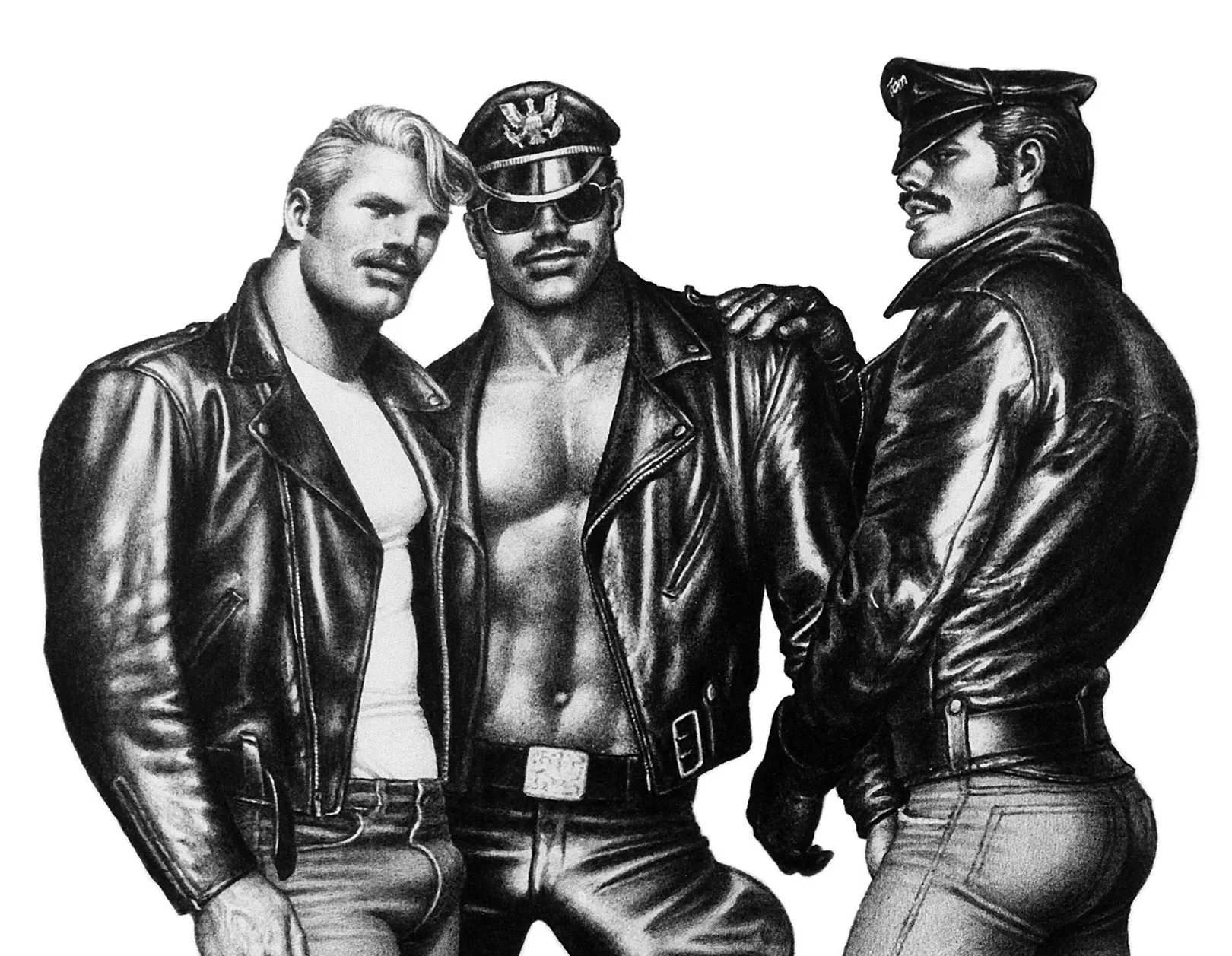
Within gay male culture, its modern associations were shaped partly by social worlds in which older and younger queer adults formed relationships, shared knowledge and created chosen families. Leather communities were particularly influential in developing visible traditions of intergenerational mentorship. The GLBT Historical Society describes mentorship between older and younger practitioners as a longstanding feature of queer leather culture, alongside chosen family, craftsmanship and community organisation.
The identity later overlapped with Bear culture, nightlife, community titles, print media and, eventually, online dating vocabulary. Its meaning expanded along the way. “Daddy” could describe appearance, temperament, an affectionate relationship role or a public persona.
Because this evolution was informal, definitions differ between cities, generations and subcultures. Someone shaped by an older leather community may hear the word differently from a person who first encountered it through social media.
That variation is not a flaw. Queer language often develops precisely because communities need words that are more adaptable than official categories.
Beyond Age: The Mentorship and Caretaking Dynamic
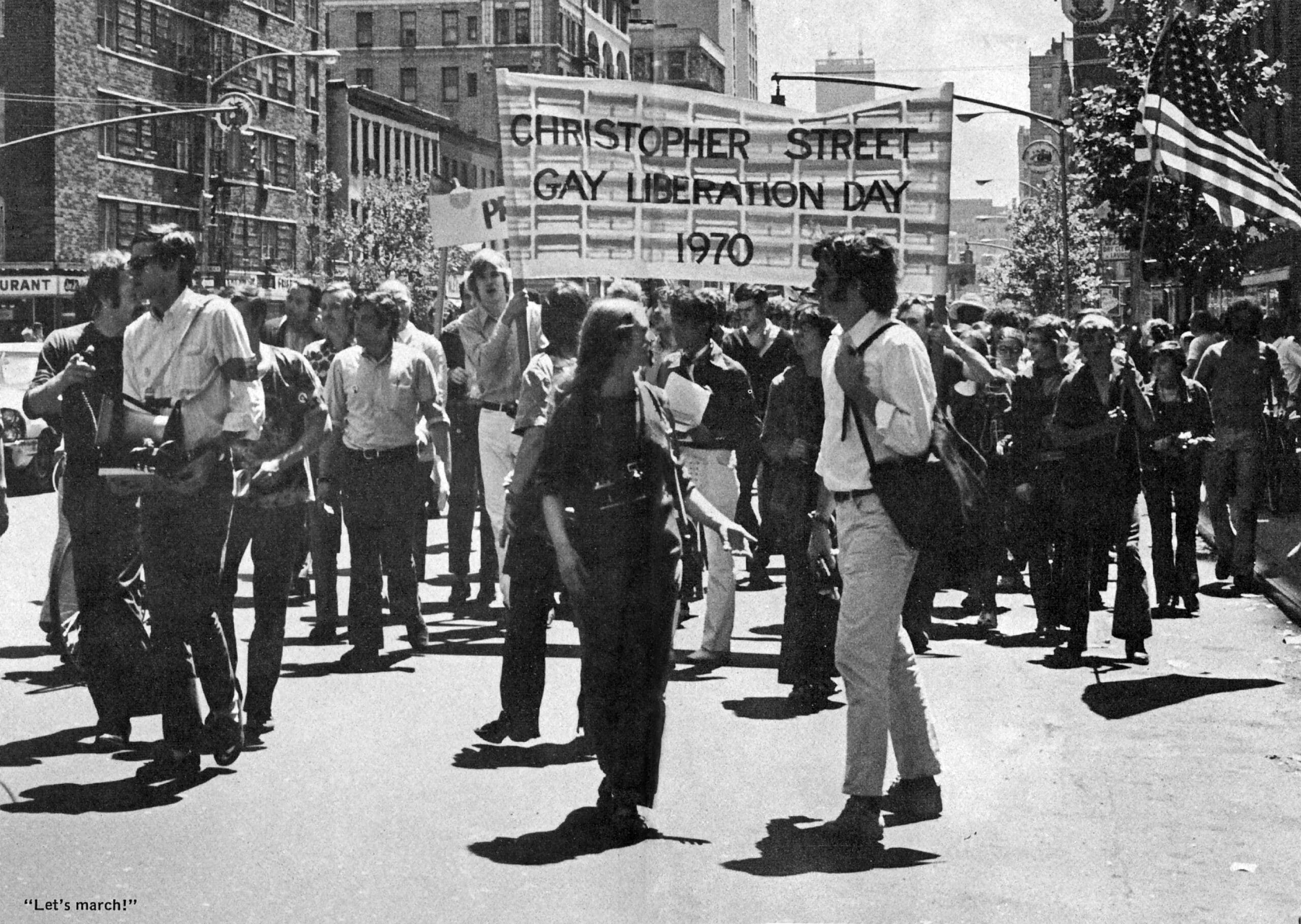
The Evolution of Daddy Identities & Queer Mentorship
An interactive timeline exploring the history of intergenerational LGBTQ+ dynamics

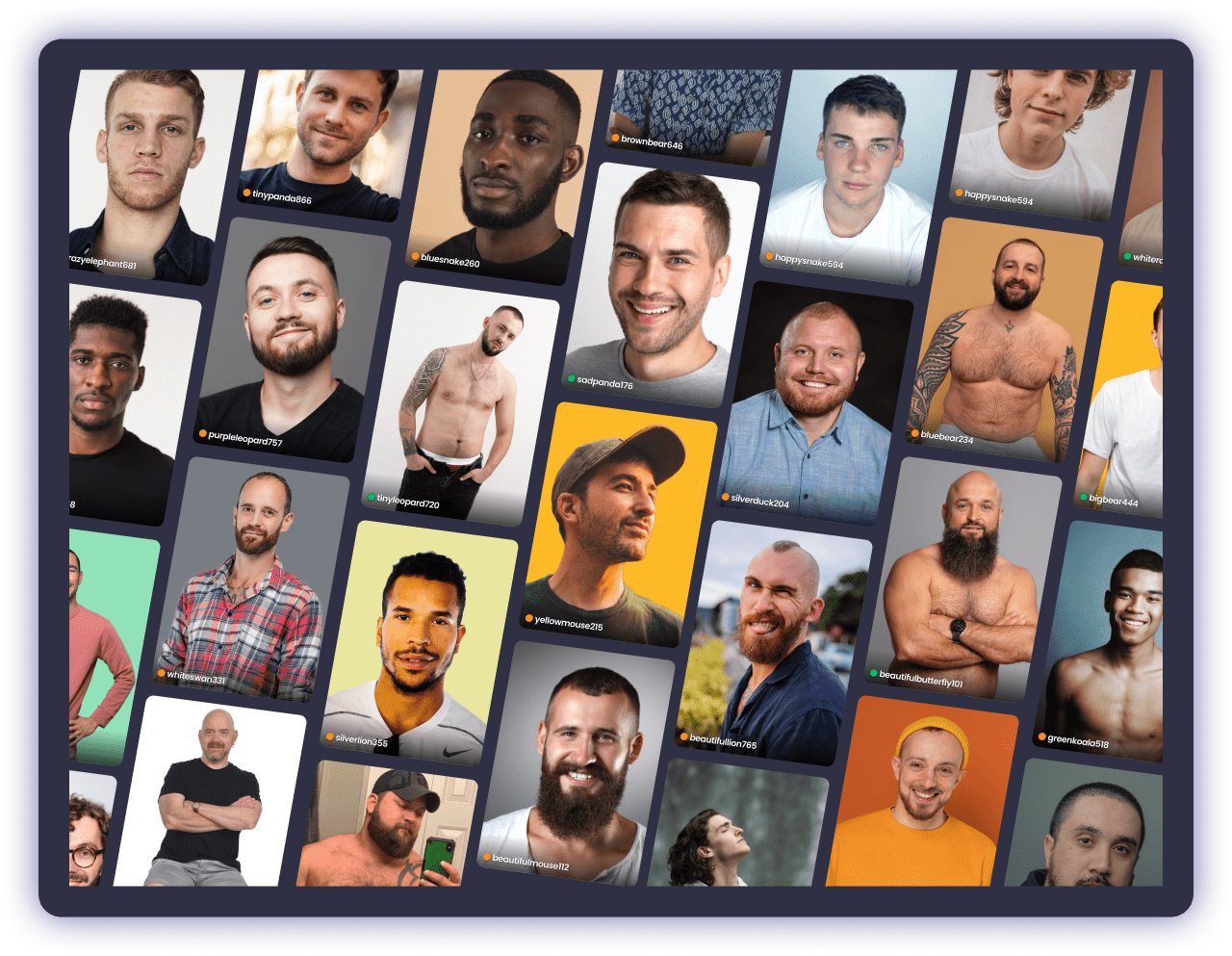
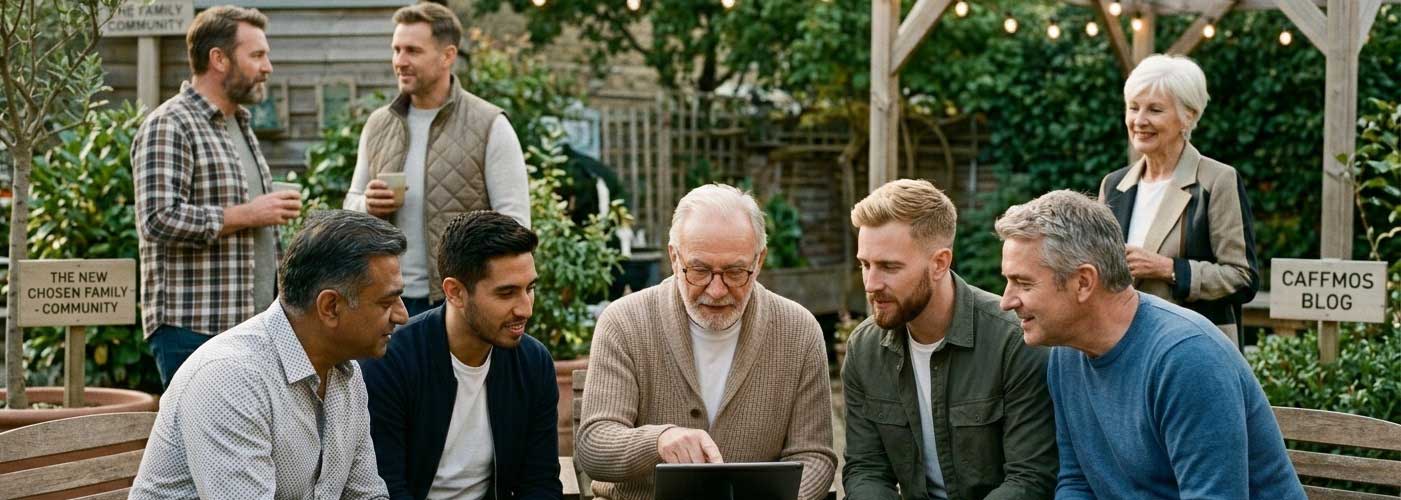
Knowledge That Was Not Always Available Elsewhere
Intergenerational mentorship has particular importance in LGBTQ+ life because many queer people have historically lacked affirming guidance from families, schools, religious institutions and public services.
An older gay man may possess knowledge that was acquired through difficult experience rather than formal education: how to assess whether a venue is welcoming, how to build chosen family, how to recover from rejection, how to recognise discrimination or how to sustain a queer life over decades.
Silva’s research found that daddies can transmit knowledge about navigating homophobia, accessing gay communities and understanding queer social life. Both older and younger interviewees frequently valued mentorship rather than treating it as an embarrassing side effect of an age difference.
That exchange is rarely one-directional. Younger adults may introduce new language, cultural references, technology and perspectives on gender or identity. The older partner brings experience; the younger partner brings experience of a different historical moment.
Healthy mentorship is therefore an exchange between adults, not a hierarchy in which one person is permanently wise and the other permanently inexperienced.
Care Is Not the Same as Control
The daddy identity is often associated with protection, but protection becomes unhealthy when it removes another person’s autonomy.
Care sounds like:
“Tell me what support would be useful.”
Control sounds like:
“I know what is best for you, so I will decide.”
A caring partner can provide reassurance while respecting disagreement. He can offer advice without making it a condition of affection. He can be generous without using money as leverage. He can take the lead in some circumstances while remaining accountable to the other person.
The distinction matters because age can overlap with other differences: income, housing security, career status, citizenship, disability, social networks or public visibility. Research on male same-sex couples has found that age and income can sometimes influence decision-making power, demonstrating why couples should discuss authority rather than assuming love automatically makes every imbalance harmless.
Daddy Relationships and Chosen Family
LGBTQ+ communities have long created families beyond biological kinship. These chosen families may include partners, former partners, friends, mentors, neighbours and people from several generations.
This history has practical roots. Many older LGBTQ+ adults came of age when openly living with a same-gender partner could lead to criminalisation, job loss, housing discrimination or rejection from relatives. SAGE’s research and educational materials explain that these conditions led many LGBTQ+ elders to build resilient support networks of friends and chosen family.
The daddy identity can sit within that tradition of relational creativity. A daddy may be a romantic partner, but he can also be a trusted elder, long-standing friend, community host or source of guidance. Similarly, a younger person may bring companionship, emotional care and renewed connection to an older person’s life.
SAGE currently describes intergenerational conversations as part of the LGBTQ+ community’s history of shared wisdom and chosen family. That language captures something important: older queer people are not merely service recipients, and younger queer people are not empty vessels waiting for instruction. Each has something the other cannot obtain from his own generation alone. (SAGE)
Understanding Adult Age-Gap Relationships
An age-gap relationship is a relationship between adults whose ages differ significantly. There is no universal number at which a couple becomes an “age-gap couple,” although researchers sometimes use a difference of ten years or more when selecting participants.
Same-sex male couples appear more likely than many other couple types to include substantial age differences. Silva argues that this cannot be explained solely by a smaller dating pool. His interviews point toward a broader willingness among gay and bisexual men to build relationships outside conventional expectations about matching by age and life stage.
Age difference does not determine the quality of a relationship. Neither closeness in age nor distance in age guarantees equality, kindness or compatibility.
What Can Draw Adults of Different Ages Together?
People may be attracted across generations for many ordinary reasons:
- emotional compatibility;
- shared humour or interests;
- admiration for maturity;
- appreciation of youthful curiosity or energy;
- similar values despite different life stages;
- a preference for less conventional relationship roles;
- a desire for mentorship or mutual growth;
- attraction to visible signs of ageing;
- the ability to offer one another different perspectives.
It is reductive to assume that the older person wants only youth or that the younger person wants only security. Silva’s research found varied, emotionally substantial relationships and reported that many participants actively resisted allowing finances to define the connection.
The Generational Difference Can Be Real
Celebrating age-gap relationships should not require pretending that age is irrelevant.
Partners may have different expectations around:
- communication and technology;
- being publicly open about their identity;
- marriage or family;
- nightlife and social routines;
- work and retirement;
- physical accessibility;
- caregiving;
- long-term financial planning;
- cultural language;
- memories of LGBTQ+ political history.
Even the same word can carry different emotional weight. SAGE notes that terms reclaimed positively by younger LGBTQ+ people may remain painful to elders who first encountered them as abuse. Respectful intergenerational communication therefore requires asking what language means to the other person rather than assuming everyone shares the same cultural dictionary.
Research on gay men’s ageing has also found that stereotypes can produce communication barriers between younger and older community members. These barriers are not inevitable, but they rarely disappear without curiosity and sustained contact.
Healthy Power Dynamics: Equality Does Not Mean Sameness
Two partners can be equal without having identical resources, ages or experiences. Equality means that each person’s voice, autonomy and boundaries carry genuine weight.
A healthy age-gap relationship between adults generally includes:
Financial Autonomy
Generosity can be loving, but gifts should not purchase influence. Both partners should understand whether shared expenses create expectations and whether either person would feel unable to leave the relationship because of housing or money.
Independent Social Connections
A relationship becomes more vulnerable when one partner is the other’s only friend, adviser, financial resource and route into community. Each person benefits from maintaining friendships and support systems outside the couple.
Mutual Decision-Making
The older partner should not automatically control every decision because he has more experience. The younger partner should not be expected to surrender his preferences in return for guidance.
Honest Conversations About the Future
An age difference can affect retirement, caregiving and health planning. Avoiding these subjects does not protect romance; it postpones necessary collaboration.
Respect for Boundaries
Caretaking should be requested or welcomed. Confidence should not become intimidation. Mentorship should not become a demand for gratitude.
The Freedom to Disagree
A healthy younger partner can challenge an older partner’s assumptions. A healthy daddy can hear that challenge without treating it as disrespect.
Warning Signs That the Dynamic Has Become Unhealthy
Age-gap relationships are often subjected to unfair suspicion, but rejecting stereotypes does not mean ignoring harmful behaviour.
Concerns may be justified when one person:
- isolates the other from friends;
- uses housing, money or professional access as leverage;
- dismisses concerns because the younger partner is “inexperienced”;
- treats age as proof of superior judgement;
- demands access to private accounts or communications;
- repeatedly ignores stated boundaries;
- turns mentorship into humiliation;
- pressures the other person to adopt an unwanted identity;
- makes affection conditional on obedience or dependence.
These behaviours can occur in relationships of any age configuration. The relevant question is not merely, “How old are they?” It is, “Can both adults make meaningful choices without fear, dependency or coercion?”
A Daddy Is Not Necessarily a Sugar Daddy
“Daddy” and “sugar daddy” are sometimes wrongly treated as synonyms.
A sugar relationship is generally understood as involving an explicit or implied material exchange. A daddy identity, by contrast, may involve no financial arrangement at all. It can be connected to maturity, appearance, emotional care, community role or affectionate language.
Silva’s study specifically challenges the stereotype that gay age-gap relationships are naturally organised around an older man’s wealth and a younger man’s dependence. Although older interviewees sometimes paid for dinners or travel, many younger participants placed considerable value on financial autonomy.
The distinctions are useful:
Daddy: a mature queer identity or relationship role associated with age, confidence, care or leadership.
Sugar daddy: a person participating in a relationship with a significant material or financial component.
Mentor: someone who offers guidance or shares expertise, without necessarily being a romantic partner.
Father figure: a person experienced psychologically as filling some paternal role; this description should not be projected onto every daddy relationship.
One person can occupy more than one of these roles, but none automatically implies the others.
Daddies and Cubs: Intersections With Bear Culture
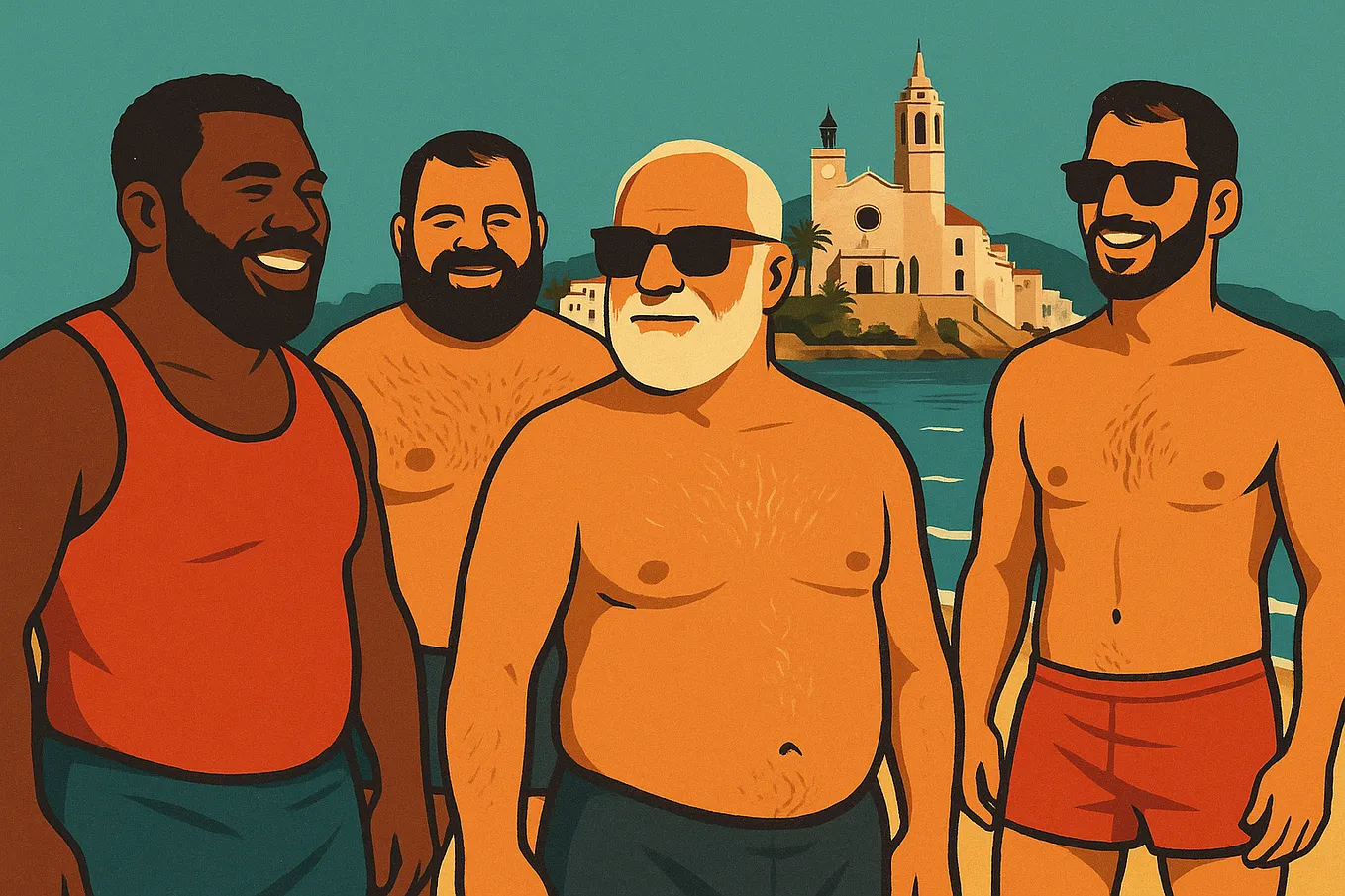
What Is a Daddy Bear?
A Daddy Bear is someone whose daddy identity overlaps with Bear culture. He may be older, broad, hairy, bearded, grey-haired, muscular, heavyset or rugged-looking, although Bear identity is not reducible to a physical checklist.
The Bear community emerged as a recognisable subculture during the 1980s, partly in response to gay male beauty standards that privileged youth and narrowly defined physiques. Academic research describes Bear culture as a community that positively values larger-framed and hairier men, while also acknowledging that Bear spaces contain internal debates and inequalities.
A Daddy Bear may embody several forms of cultural resistance at once:
- the positive visibility of ageing;
- the celebration of larger or hairier bodies;
- a mature form of masculinity;
- community caretaking;
- rejection of the idea that desirability expires with youth.
What Is a Cub?
Within Bear culture, “cub” commonly refers to a younger or younger-looking adult member of the community. He may be smaller than a typical Bear stereotype, but size is not a fixed rule.
“Daddy and cub” can describe an age-gap couple, but it can also describe two compatible identities within a broader social world. Not every cub seeks a daddy, and not every Daddy Bear wants a younger partner.
The language should remain self-chosen. Calling an adult a cub without knowing whether he uses that identity may feel patronising. Similarly, labelling every grey-haired Bear a daddy erases personal preference.
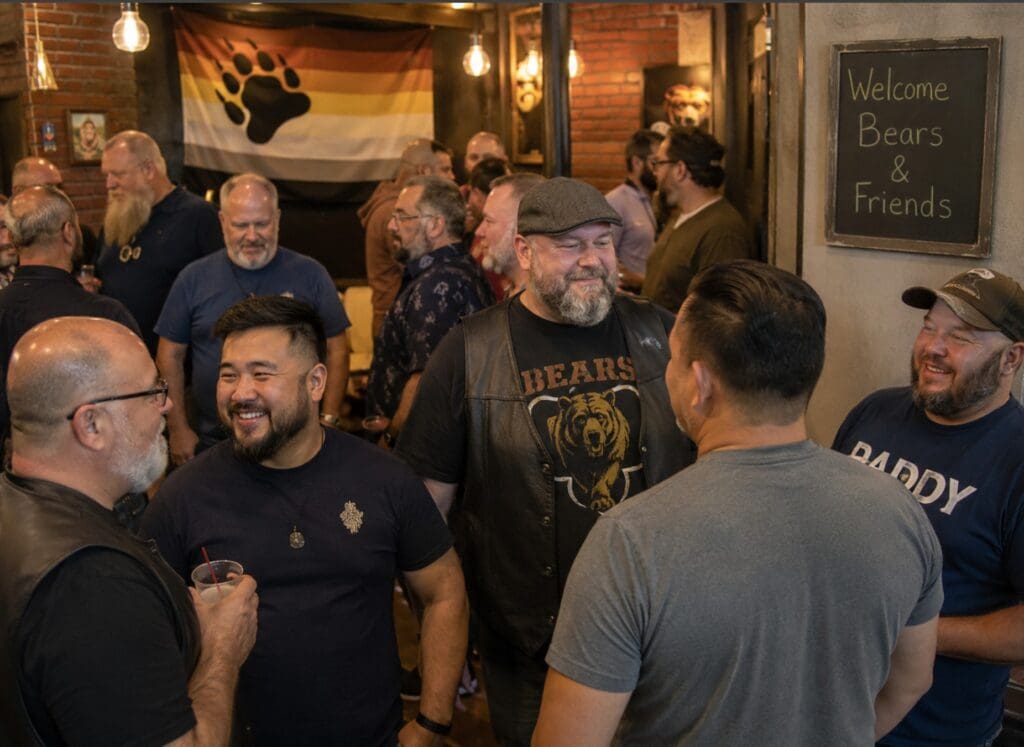
Body Positivity Across Generations
Bear and daddy cultures both challenge a mainstream visual hierarchy in which a young, lean and highly curated body is treated as the default image of gay desirability.
At their best, these communities make room for bodies that change. Hair greys. Weight fluctuates. Faces develop lines. Disability may alter mobility. A person’s style and relationship to masculinity may evolve.
The cultural achievement is not merely saying that older men can still resemble younger ideals. It is recognising that maturity has its own visual, emotional and social value.
The Leather Daddy and Traditions of Responsibility
The leather daddy is another important overlapping identity. Historically, leather communities developed structured practices of mentorship, craft knowledge and chosen family, particularly in cities such as San Francisco. The GLBT Historical Society notes that leather culture became known for mentorship between generations and for institutions through which community roles were recognised.
A leather daddy may be associated with confidence, responsibility, community service, knowledge of tradition or leadership. Although leather culture has adult intimate dimensions, its broader cultural history also includes:
- fundraising;
- artistic craftsmanship;
- event organisation;
- historical preservation;
- community titles;
- care networks;
- codes of responsibility;
- intergenerational education.
The public image of a commanding leather daddy can obscure the amount of trust and accountability that healthy leadership requires. Authority without care is merely dominance. Community authority becomes meaningful when it protects consent, preserves history and supports others.
Redefining Ageing in the Queer Community
The Problem of Youth Obsession
Ageism exists throughout society, but it can feel particularly intense in gay male spaces where appearance is frequently treated as social currency.
The Williams Institute defines “internalised gay ageism” as feeling denigrated or depreciated because one is ageing within a gay male identity. Its research found an association between internalised gay ageism and depressive symptoms, while identifying social invisibility and devaluation as particular risks for midlife and older gay men.
Other studies have documented concerns among sexual-minority older adults about invisibility, community ageism and exclusion from spaces that continue to place a high value on youthfulness.
The daddy identity can offer a counter-narrative. Instead of presenting age as damage that must be concealed, it frames maturity as presence.
This does not eliminate ageism. It can even create a new demand: an older man may feel expected to become an idealised daddy—wealthy, strong, stylish, confident and endlessly capable—rather than being allowed to age vulnerably.
Real age inclusion must therefore value more than the glamorous daddy archetype. It must also include older queer people who are shy, financially insecure, disabled, grieving, uncertain or uninterested in performing masculinity.
From Surviving History to Sharing It
Many LGBTQ+ elders lived through periods of criminalisation, medical stigma, workplace discrimination and the devastating losses of the HIV/AIDS crisis. SAGE’s educational guidance emphasises both the accumulated effects of these experiences and the resilience of elders who built care systems when public institutions failed them.
Younger people should not reduce elders to walking history books. Older people deserve relationships in the present, not only gratitude for the past.
At the same time, intergenerational connection prevents community memory from becoming abstract. The history of a closed bar, a local campaign, an old friendship network or an early Pride march often survives because someone tells the story to another person.
The daddy or elder role can help carry that memory, but younger generations also decide how it will be interpreted and continued.
Intersectionality: There Is No Single Daddy Experience
The popular daddy image often defaults to a white, cisgender, able-bodied and financially comfortable man. That image is culturally limited.
Ageing and maturity are shaped by race, class, disability, immigration status, geography, gender identity and access to healthcare. An older gay man of colour may encounter both racism in LGBTQ+ spaces and homophobia outside them. A disabled daddy may be wrongly assumed to lack independence or romantic agency. An immigrant may possess deep cultural knowledge while having limited institutional power in his current country.
SAGE warns that LGBTQ+ older adults of colour can face overlapping discrimination and that racism also exists within LGBTQ+ communities. Its guidance further notes that transgender older adults may have fewer role models, fewer age-matched social spaces and less access to supportive networks.
The word “daddy” is also used outside cisgender gay male culture. Queer women, trans people and nonbinary people may use daddy as a masculine, affectionate or relational identity. Community writing reflects this wider range of femme daddies, trans daddies, butch daddies, Bear daddies and leather daddies.
This guide centres gay and bisexual men, but the language belongs to a broader and evolving queer landscape.
Gay Daddies in Digital Culture
Social media and dating platforms have made “daddy” far more visible. Profile labels allow people to communicate age preferences and community identities quickly, while memes have helped the word move into mainstream popular culture.
Visibility has advantages. Older men can find communities that value maturity instead of concealing their age. Younger adults can state openly that they prefer older partners. People in smaller towns can connect with intergenerational networks that may not exist locally.
The disadvantages are equally real. Digital categories can reduce a person to a type. A man may receive the daddy label the moment he turns grey, regardless of how he identifies. Dating profiles can also intensify comparisons around age, status and appearance.
A respectful approach online includes:
- using current and honest profile information;
- asking whether someone likes the label;
- avoiding comments that equate age with decline;
- not assuming that maturity means wealth;
- respecting the boundaries of people seeking their own age group;
- remembering that a category is an invitation to conversation, not a complete personality.
What the Daddy Identity Is Not
It Is Not Literal Parenthood
Some gay daddies are fathers; many are not. The cultural label does not tell you whether someone has children or wants them.
It Is Not Proof of Wealth
A daddy may be established in his career, retired, changing professions or experiencing financial difficulty. Maturity and income are not synonyms.
It Is Not Automatic Authority
Being older does not make someone correct. Authority within a relationship must be agreed upon, limited and accountable.
It Is Not a Universal Label for Older Gay Men
Some men embrace “daddy.” Others dislike it because it feels ageist, presumptuous or disconnected from their personality. Personal language takes priority over community shorthand.
It Is Not Evidence of an Unhealthy Relationship
A relationship between adults should be assessed by consent, communication, autonomy and conduct not by age difference alone.
It Is Not Automatically Healthy
A positive cultural identity does not make every person using it safe or caring. Titles should never replace judgement, boundaries or accountability.
How Allies and Newcomers Can Speak Respectfully
Begin by allowing people to define themselves.
Do not call someone daddy merely because he has grey hair. Do not assume that a younger partner is financially dependent, emotionally immature or being manipulated. Equally, do not romanticise every age-gap relationship as inherently wise or liberating.
Respectful questions focus on experience rather than stereotype:
“Is daddy a term you use for yourself?”
“What does that identity mean to you?”
“How do you both handle the differences in your life stages?”
Questions about someone’s finances, health or private relationship arrangements should be asked only when the relationship makes that conversation appropriate.
Allies can also help challenge age-segregation by supporting events with accessible venues, daytime programming, seating, clear sound systems and representation of older LGBTQ+ adults in leadership. SAGE recommends intergenerational learning opportunities and practical accessibility measures as central components of age-inclusive LGBTQ+ organisations.
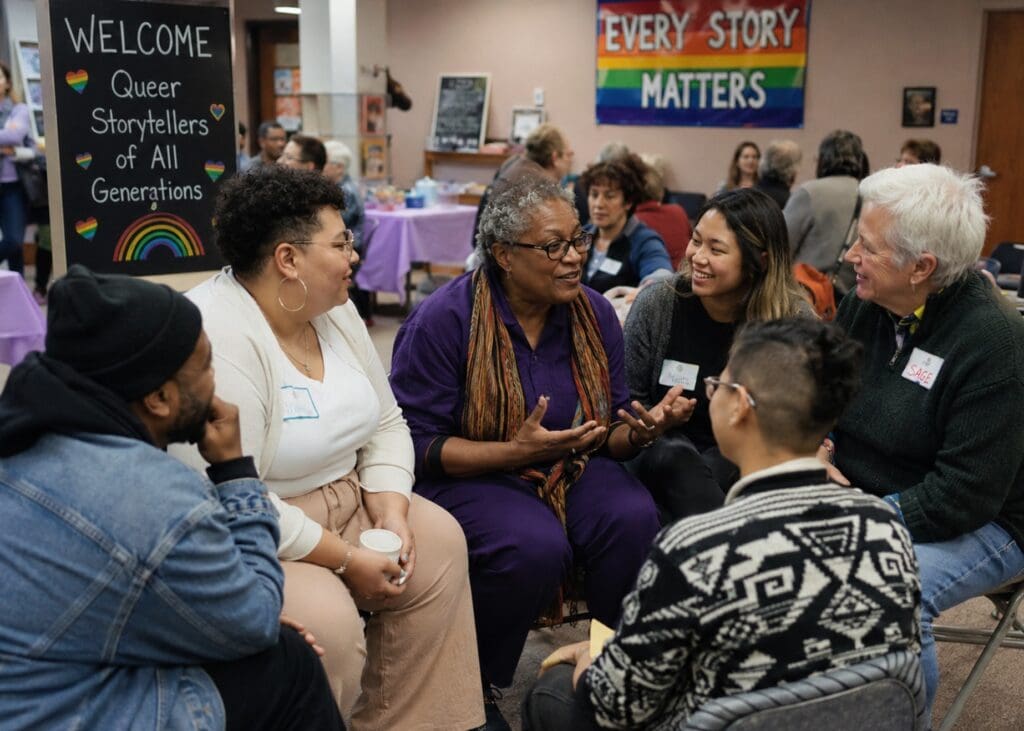
Why Gay Daddy Culture Matters
The daddy identity matters because it gives queer maturity a visible cultural language.
It says that growing older does not mean disappearing.
It says experience can be attractive without being infallible.
It says masculinity can involve attentiveness, care and emotional responsibility rather than distance.
It says people from different generations can build relationships that are neither conventional nor deficient.
Most importantly, it offers an opportunity to redefine power. The best daddy dynamic is not built on one person becoming smaller so that the other can feel important. It is built on someone’s strength making another person feel safer to be fully himself.
That is the difference between authority as performance and care as a relationship.
Frequently Asked Questions
There is no official age. The identity is usually associated with maturity, but confidence, presentation, community role and personal preference can matter as much as a number.
No. A daddy may date people of the same age, older partners or younger adult partners. He may also use the identity socially without connecting it to dating.
No. Many couples with a substantial age difference do not use daddy-related language. The identity should not be assigned from the outside.
No. Daddy and cub identities frequently overlap with Bear culture, but not every daddy is a Bear and not every younger partner is a cub.
Not necessarily. Daddy usually refers to maturity, care, confidence or a relationship role. Sugar dating specifically implies a significant material or financial component.
Some people use the word for a relatively young adult who projects confidence, leadership or a mature style. Others reserve it for visibly older men. Usage varies by community.
Yes. Daddy is used in several queer communities, including by some trans, nonbinary, butch and masculine-presenting people. Self-identification and context remain essential. (Autostraddle)
No. Differences in age can interact with money, experience or social status, but the existence of a difference does not by itself prove exploitation. Healthy relationships require autonomy, mutual respect and open discussion of power.
About the Author
Alain VEST is an LGBTQ+ cultural writer and community contributor with 15 years of involvement in the Bear, daddy or wider queer community. Based in Paris, they have participated in community organisations, events, advocacy initiatives or cultural projects and write about queer ageing, chosen family, body diversity and intergenerational relationships.
Their work combines lived experience with historical research and conversations across LGBTQ+ generations.
Editorial standard: complete this biography only with accurate, verifiable information supplied or approved by the named author.